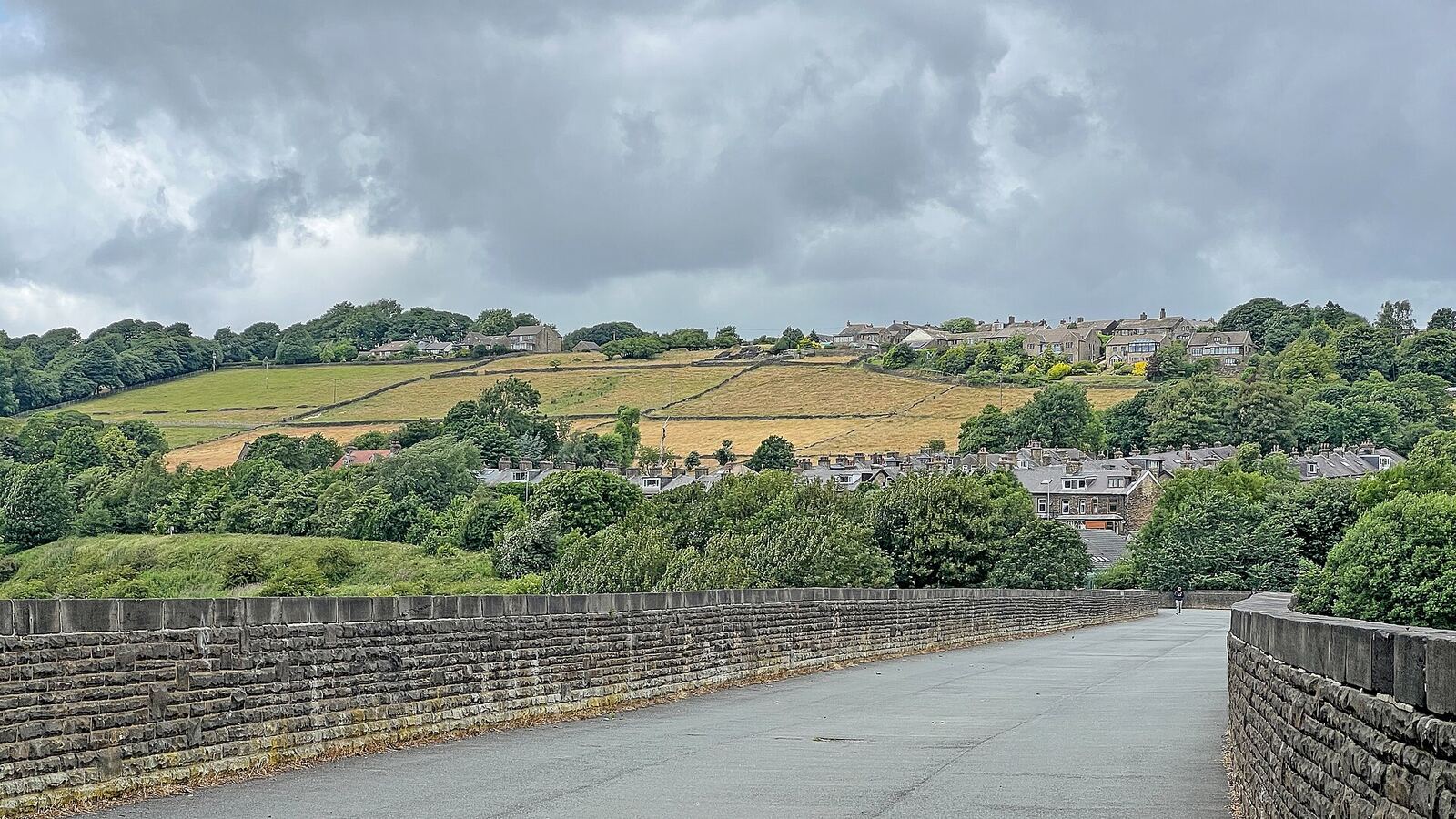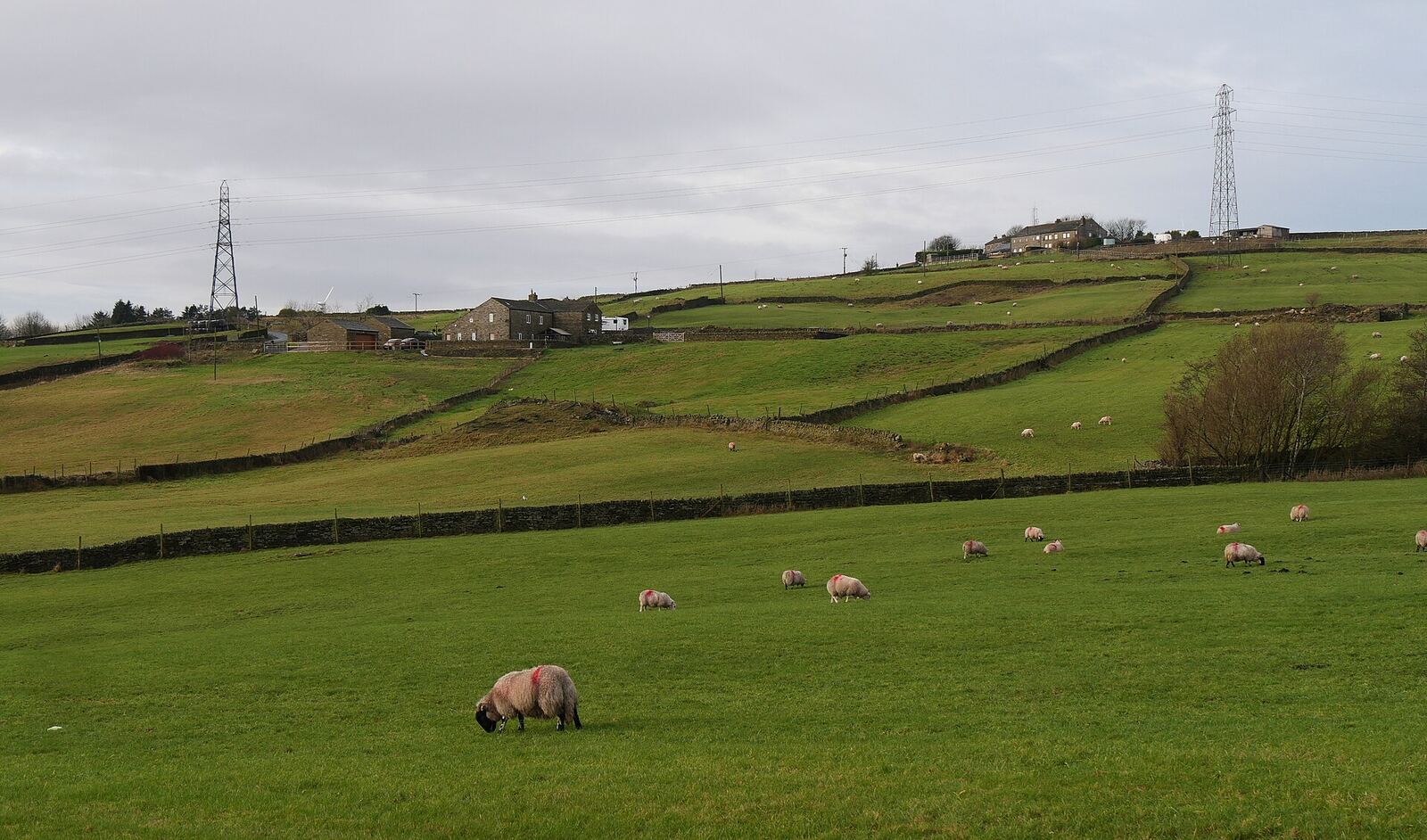
Two houses a few hundred metres apart, on the same package from the same provider, can get very different broadband. One streams happily. The other buffers every evening. The usual explanation is something you cannot see from the road: the length of copper wire between each house and the network.
How broadband reaches most houses
Most homes still get broadband through the phone network, in one of three ways.
- ADSL. The oldest type. Broadband travels over the copper phone line all the way from the telephone exchange, which may be several kilometres away. Even the fastest version tops out at about 24Mbps on a very short line, and long lines get a fraction of that.
- Part fibre (FTTC). Fibre runs to the green cabinet on the street and copper covers the rest. Homes next to the cabinet can get around 80Mbps.
- Full fibre (FTTP). Fibre all the way into the house, with no copper involved.
The first two both finish with a copper wire, and that is where the trouble starts.
Why copper loses speed
Broadband over copper works by sending high-frequency electrical signals down a wire that was designed to carry voices. Those signals weaken as they travel, and the highest frequencies, which carry much of the data, fade fastest. The equipment at each end tests the line and settles on the fastest speed it can hold reliably. The longer the wire, the weaker the signal that arrives and the lower that speed.
Part fibre is fast only because it makes the copper shorter, and the speed drops away steeply as the copper gets longer. A house a couple of hundred metres from the cabinet gets most of the headline speed. By the time the line is a kilometre or more long, much of the advantage has gone, and on the longest lines part fibre is barely better than ADSL.
Why hill villages are hit harder
- Cable follows roads, not straight lines. Line length is the route the wire takes: along the lane, round the fields, up and over the hillside. A house that looks close to the cabinet on a map can sit at the end of a long cable run.
- Houses are strung out. In a village centre many homes cluster round a cabinet. Along a moorland lane they are spread out in a line, and the last one is by definition the furthest away.
- Old and exposed lines. Long overhead runs take a battering from wind and rain. Each tired joint or patch of corrosion weakens the signal a little more.
On the long, steep streets of the tops, those metres of copper add up quickly.
Things that will not fix it
Switching provider on the same line. Most of the national broadband brands deliver their service over the same Openreach phone line into your house. Change the name on the bill and the wire stays the same, so the speed stays much the same too. Switching can save you money. It rarely makes a copper line faster.
Paying for a faster package. If your line can only hold 8Mbps, a package sold at a much higher speed will still give you 8Mbps. Ask for the speed estimate for your own line before you sign up to anything.
A new router. A better router can improve the wifi inside the house, which is a separate problem with its own fixes. It cannot change the speed arriving at the house.
Things that can help a little
- Plug the router into the master socket, the main phone socket where the line enters the house, not into an extension. Extension wiring picks up interference.
- Report a crackly phone line or a connection that keeps dropping as a fault. A damaged line drags the speed down, and repairing it is the provider's job.
- Test with a laptop cabled to the router, so you know you are measuring the line and not the wifi.
These recover speed you should have been getting anyway. None of them can beat the physics of a long line.
Ways round the copper
The real fix is to stop depending on a long copper line.
- Full fibre, if it has reached your address. It is by far the fastest option, but coverage on the tops is patchy.
- Fixed wireless, which replaces the line with a radio link from a mast on high ground to an aerial on your roof.
- 4G or 5G home broadband, which uses the mobile network and needs no engineer visit.
- Satellite, for properties nothing else can reach.
Our comparison of these options goes through the strengths and weaknesses of each.
Fixed wireless is the route we took. Our network is built around this exact problem: a radio link is not measured in metres of cable, so if your aerial can see our mast you get the full 10Mbps, whether you are near the village centre or out at the end of the lane. It costs £15 a month with a one-off £200 set-up, and there is no phone line or line rental involved. Whether it works for a particular house depends on line of sight, which a free survey confirms.
We cover Queensbury and Thornton. The postcode check gives an indicative answer, and the FAQ covers the common questions about installation and weather. If we are not the right fit, the other providers page lists the alternatives.